An alternative to Android and iOS is no longer optional
Huawei has come a long way
Six years after the US government first placed restrictions on Huawei, the Chinese company is ready to break completely free of Android. Huawei will now assist Xiaomi, OPPO, Vivo, and OnePlus to create a Google-free Android alternative. This jolt is just what the smartphone market needed.
Phones look the same and feel the same
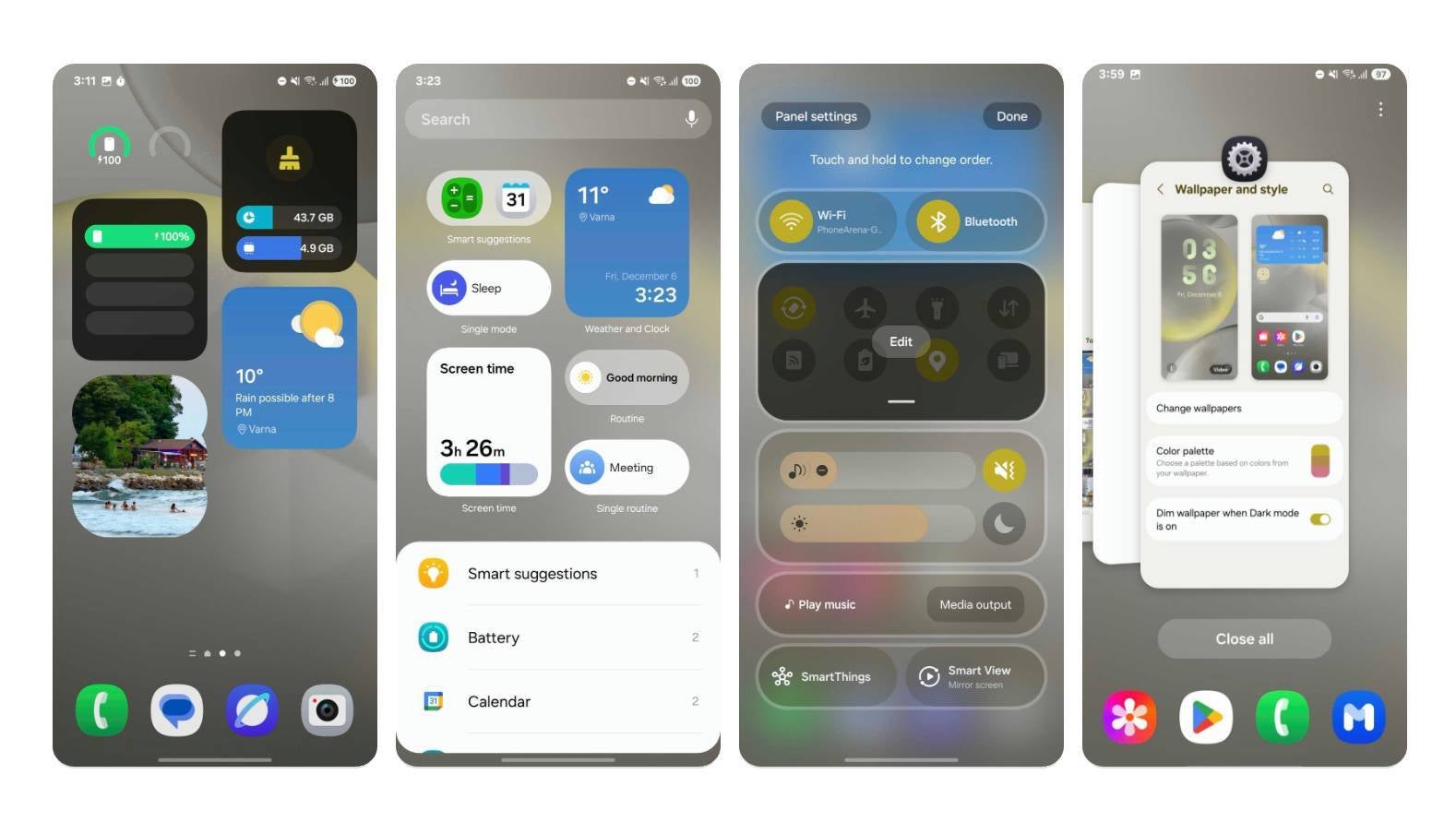
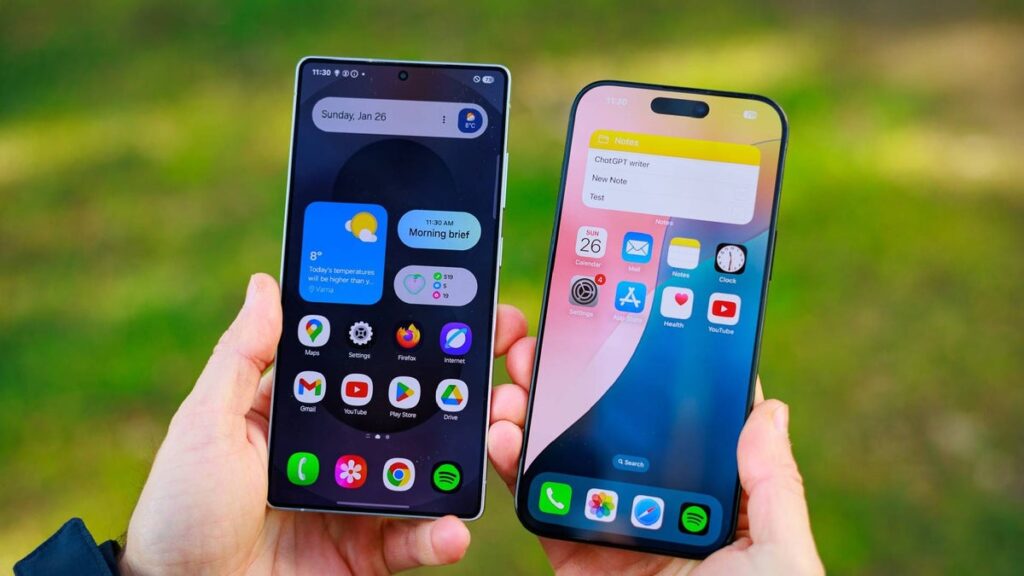
Samsung One UI 7 | mage Credit – PhoneArena
Smartphones have ceased to be exciting. There was a time when each company had a unique strength, but now, they all produce phones that largely look the same.
Smartphone operating systems have been borrowing from each other long enough to look nearly indistinguishable. Last year, Apple’s iOS copied Android features, and this year, Samsung has launched a new version of its One UI 7 that has been inspired by iOS.
That’s not necessarily a bad thing. For instance, as someone who uses both Android and iOS handsets, I am glad to see Android get its version of Dynamic Island.
I also long for the time when smartphone manufacturers were not afraid to experiment and not every device had the same interface.
Xiaomi and OnePlus’s rumored operating system may make smartphones exciting again.
Self-reliance is always a good thing
However, as things stand right now, Android is the only choice for companies that want to be able to sell a phone.
There are already not too many choices when you go to buy a smartphone. If Xiaomi and BBK-owned OPPO, Vivo, and OnePlus lose access to Android, most people will not want to buy phones made by them anymore.
We have already seen this play out with Huawei. However, with Huawei’s HarmonyOS maturing, the company has staged a comeback in China. If Chinese Android manufacturers don’t want to be caught off guard, starting work on a new operating system is the smart move.
We aren’t ready for a Samsung-Apple monopoly
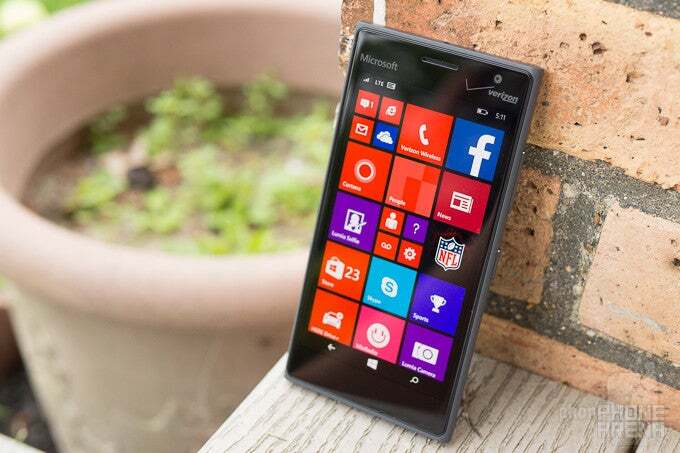
I’ll never not miss Lumia. | Image Credit -PhoneArena
The biggest beneficiaries of any potential falling out between the US government and Chinese smartphone companies would be Apple and Samsung. Google stands to gain a lot too as even though the company makes some of the best phones you can buy today, its market share is negligible.Xiaomi has caught wind of possible sanctions and has reportedly also started working on an in-house chipset. So while there has been no indication that the US wants to block its access to Android, this possibility cannot be ruled out.
Should the worst happen, Apple and Samsung will grow exponentially, and this may result in a duopolistic market. That’s why, we need a third mobile ecosystem more than ever.
This is not going to be an easy endeavor. Huawei’s OS, for instance, is still not a complete replacement for Android and iOS, despite the many years and resources poured into the effort. The company’s app store still doesn’t host many popular apps.
If Xiaomi and its BBK-owned partners stop selling phones that run Android, they might alienate customers in global markets. A good starting point would be a revamped Android skin with innovative features and unique visual enhancements.
link