Physical AI at Heart of New Tesla Master Plan
Tesla has revealed its latest master plan – with artificial intelligence and robotics at the heart of it.
The company’s Master Plan Part IV was published on X, and essentially serves as a mission statement as to where the company is headed next.
Tesla’s previous Master Plans have shaped its direction for 19 years, with the first published in 2006, the second in 2016 and the third in April 2023.
The fourth comes a mere 29 months after the third installment – a sign of how the automotive and tech landscape is changing so rapidly, or, some cynics say, of a company that has lost its way with CEO Elon Musk’s focus apparently increasingly diluted.
Master Plan IV sets its stall out from the start, claiming: “As the influence and impact of AI technology increases, the mission set forth… should come as no surprise. The next chapter in Tesla’s story will help create a world we’ve only just begun to imagine and will do so at a scale that we have yet to see. We are building the products and services that bring AI into the physical world.”
This dramatic scaling will be enabled by Tesla’s “manufacturing capability” and “autonomous prowess” under the overarching theme of “sustainable abundance.”
Among the “products and services” specifically identified are driverless cars and robots. On the former, the plan says: “Autonomous vehicles have the capacity to dramatically improve the affordability, availability and safety of transportation while reducing pollution.”
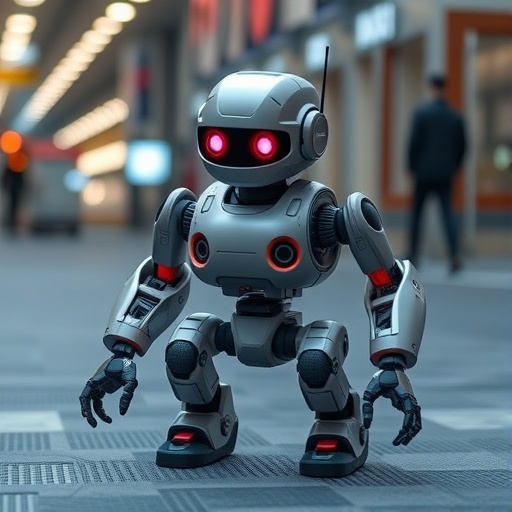
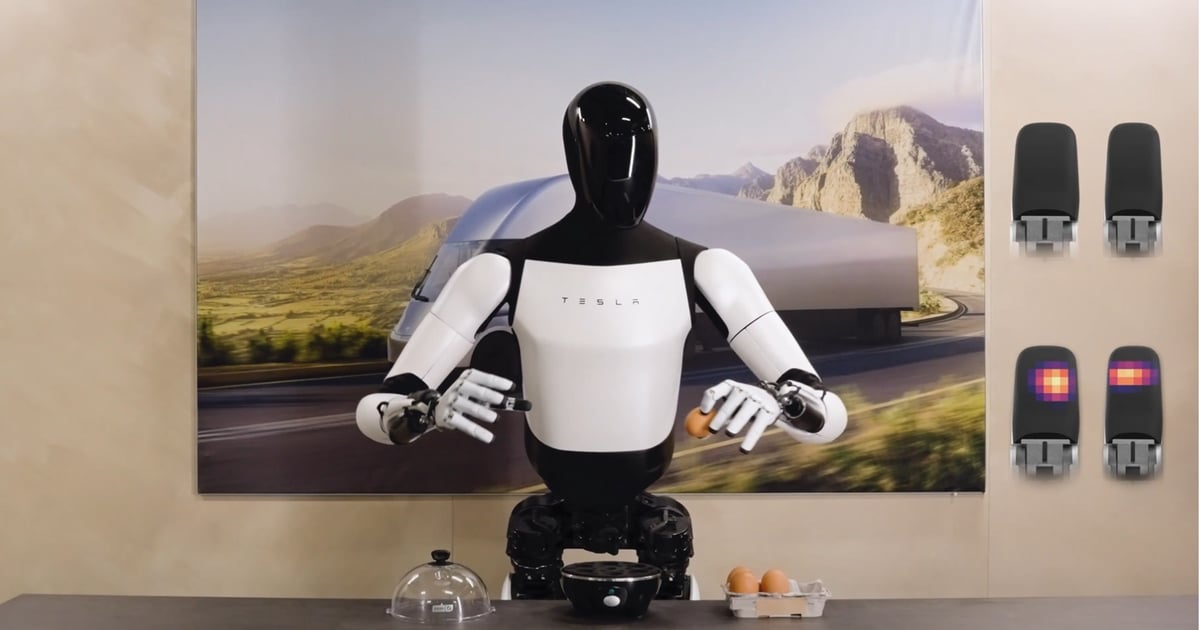
On the latter, Tesla states: “Optimus – our autonomous human robot – is changing not only the perception of labor itself but its availability and capability. Jobs and tasks that are particularly monotonous or dangerous can now be accomplished by other means. In this way, Optimus’s mission is to give people back more time to do what they love.”
As is increasingly the case with Tesla, though, the plan has met with a divisive response, with sceptics pointing out that the company’s aims seem hugely ambitious given that it is struggling to deliver on self-driving taxis, with its recently launched “Robotaxi” service in Austin requiring human operators and attracting the attention of safety regulators.
There is also little sign that Optimus is anywhere near production for 2025, as was promised little over a year ago, while revelations that robots at high-profile Tesla events were actually controlled by humans have also increased doubts about its actual capabilities.
Reviews of the plan have been largely negative, with even Musk himself acknowledging that it falls short in some respects. In response to one investor who said: “I’m thinking this is just the intro to Master Plan Part IV. The real master plan ought to have more specifics. Just my two cents,” Musk replied: “Fair enough. Will add more specifics.”
When that will be, though, remains unclear.
link