Microsoft launches new AI model for real-world robotic learning
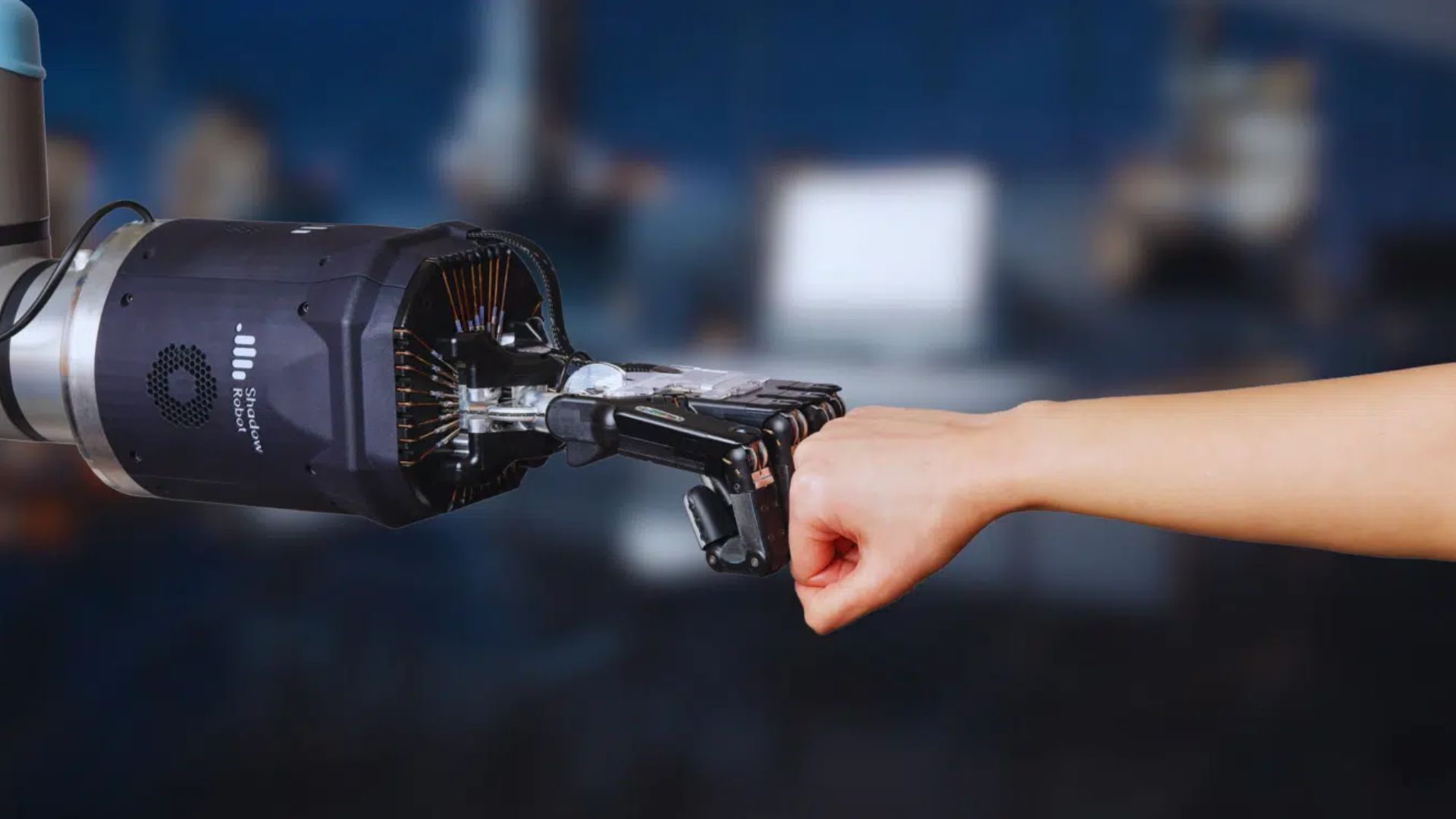
Microsoft has introduced a new artificial intelligence model aimed at pushing robots beyond controlled factory environments. The system, called Rho-alpha, targets one of robotics’ long-standing limitations: the inability to adapt to unpredictable, real-world settings.
Developed by Microsoft Research, Rho-alpha is the company’s first robotics-focused model derived from its Phi vision-language AI family.
Microsoft describes it as part of a broader shift toward physical AI, where intelligent agents interact directly with the physical world rather than operating only in digital spaces.
Unlike traditional industrial robots, Rho-alpha does not rely on rigid task scripts. The model translates natural language instructions into control signals for robots performing complex two-handed manipulation tasks.
Microsoft is currently evaluating the system on dual-arm platforms and humanoid robots.
Ashley Llorens, corporate vice president and managing director at Microsoft Research, said robotics has historically lagged behind progress in language and vision AI. Recent advances now allow machines to perceive, reason, and act with greater autonomy in less structured environments.
Microsoft believes this convergence could reshape how robots work alongside humans.
Teaching robots to adapt
Rho-alpha expands beyond standard vision-language-action models by incorporating tactile sensing. This allows robots to adjust their movements based on touch rather than relying only on visual input. Microsoft plans to add force sensing and other modalities in future versions.
Adaptability sits at the center of the system’s design. Rho-alpha can change its behavior during operation instead of depending solely on pre-trained responses. When a robot makes a mistake, human operators can intervene using intuitive tools such as 3D input devices.
The model then learns from that corrective feedback.
Microsoft is also working on techniques that allow the system to improve continuously after deployment. The company believes robots that adapt to human preferences will be more useful and more trusted in real-world environments.
Rho-alpha will initially be offered through a research early access program. Microsoft plans to make the model more broadly available later through its Foundry platform.
Solving the data gap
One of the biggest challenges in robotics remains training data scarcity. Collecting demonstrations by teleoperating robots works in limited scenarios but becomes impractical in many real-world settings.
Researchers working with Microsoft say simulation provides a scalable alternative. Synthetic demonstrations can expand training datasets without requiring constant human involvement.
Rho-alpha trains through a combination of physical robot demonstrations, simulated tasks, and large-scale visual question-answering data. This approach helps the model link language understanding with tactile-aware motion.
Microsoft generates much of its synthetic data through reinforcement learning pipelines built on robotics simulation tools running on Azure infrastructure.
Engineers then combine those simulated trajectories with commercial and openly available datasets collected from physical robots.
Industry partners say physically accurate simulation helps overcome the lack of diverse robotics data.
They argue this method accelerates the development of systems capable of complex manipulation tasks.
Microsoft positions Rho-alpha as part of a broader effort to give robotics companies more control over how they train and deploy intelligent systems. The company aims to provide tools that allow manufacturers and integrators to use their own data with their own robots.
As robots move closer to human environments, Microsoft believes adaptability will define their success. Rho-alpha marks the company’s latest attempt to bring advanced AI capabilities out of the cloud and into the physical world.
link