Lift Company in Singapore for Quality Elevator Systems and Support
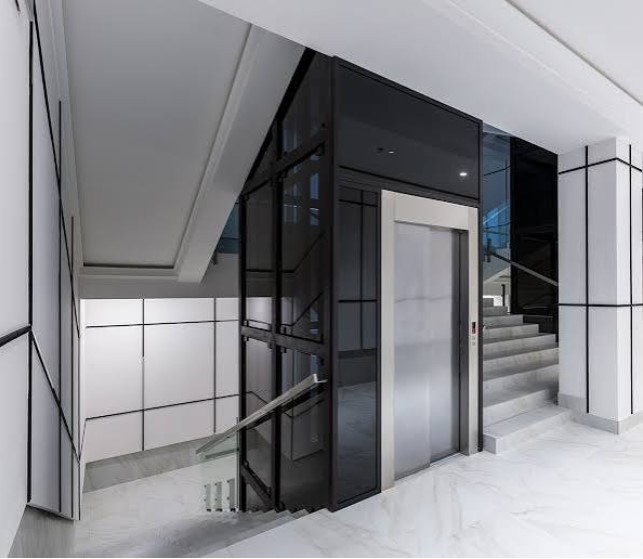
There is no getting around vertical movement in a country built the way Singapore is. HDB blocks housing the large majority of the population, the office towers that make up the Central Business District skyline, the mixed-use developments spreading across the suburbs, none of them function without a working lift. A lift company in Singapore handling installation and maintenance for buildings like these is not really a vendor in the usual sense. It is closer to an infrastructure partner, since the building’s basic usability depends on the relationship holding up over years, not just at handover.
Given how dense and vertical Singapore’s development is, lift reliability stops being a minor maintenance line item and becomes something closer to a quality-of-life issue at national scale. Accessible housing standards from the Ministry of National Development build lift provision into virtually every new residential project, and under HDB’s estate upgrading programmes, retrofitting lifts into older blocks has consistently been one of the highest-impact changes made to ageing estates.
The Range of Systems Available
Lift technology has moved on considerably over the last twenty years, and picking the right system for a new installation comes down to the building type, available shaft space, floor count, expected traffic, and whether the design allows for a machine room or needs to go machine-room-less.
Traction lifts, driven by electric motors through steel cables and counterweights, remain the default for mid to high-rise buildings. They run more efficiently than hydraulic systems once you’re dealing with multiple stops, and they deliver the speed and capacity commercial and residential towers actually need.
Hydraulic lifts, powered by a fluid-driven piston under the cab, suit low-rise buildings up to around six floors. Not needing a machine room above the shaft makes them a practical fit for landed properties, small commercial buildings, and any site where overhead clearance rules out a traction drive.
Platform lifts fill a smaller but important niche: compact vertical access where a full lift shaft is not available. They show up most often in landed homes for residents with mobility limitations, and in commercial premises meeting accessibility requirements without major structural rework.
Lift company in singapore Tai Hee works across all of these system types, covering assessment, specification, installation, and maintenance for residential, commercial, and institutional buildings alike.
The Installation Process
Installing a lift into an existing building means planning carefully around the structure’s constraints, the shaft space actually available, and how much disruption the work will cause to people already living or working there. New builds give more freedom in shaft design, but the lift company still needs to coordinate closely with the main contractor and the building’s M&E systems from early in the project.
Decisions made at the specification and design stage end up shaping how the system performs and what it needs from maintenance for the next two or three decades, which is exactly why that early planning phase deserves more attention than it usually gets in a rushed project timeline.
Tai Hee’s process starts with a site survey covering the shaft’s structural condition, the electrical supply on hand, and whatever logistical constraints will affect the installation schedule. That survey becomes the specification, and the specification becomes the basis of the contract, so client and contractor are working from the same understanding of what’s being installed and how.
After Installation: Support That Matters
Most of the actual value in choosing the right lift company shows up after installation, not during it. Lifts need regular preventive maintenance, periodic statutory inspection by BCA-registered engineers, and a fast, reliable response when something breaks.
A quality elevator maintenance company keeps a full record for every lift it services: inspection reports, maintenance logs, and a documented history of any repair work. Beyond satisfying BCA compliance, those records are what actually drive proactive maintenance decisions instead of reactive ones.
Breakdown response time is arguably the single most important metric for a maintenance provider in practice. A building with elderly residents or medical facilities cannot absorb an extended lift outage, which means the provider needs a guaranteed response time backed by enough staff to actually deliver on it, not just promise it.
Sustainability and Modernisation
A lot of Singapore’s older lift stock runs noticeably less efficiently than what’s available today. Modernisation, replacing the drive system, control system, and cabin while keeping the existing shaft, can cut energy use by thirty to fifty percent against the original installation.
For management corporations weighing the cost of full replacement, modernisation is often the far more economical route to better performance and lower running costs. Tai Hee runs modernisation assessments that lay out the cost and benefit of modernising versus replacing for the specific system in question.
For building owners, management corporations, and facilities managers across Singapore looking for a lift company in singapore with real technical depth, regulatory knowledge, and a genuine long-term commitment behind every installation and maintenance relationship, Tai Hee is the partner that makes vertical access something residents and tenants can actually depend on.