Ethical robots and AI take center stage with support from National Science Foundation grant | Virginia Tech News

Building on success
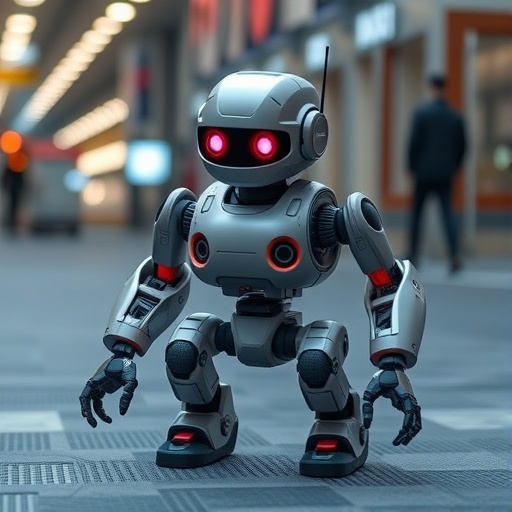
Robot theater has been regularly offered at Eastern Montgomery Elementary School, Virginia Tech’s Child Development Center for Learning and Research, and the Valley Interfaith Child Care Center. In 2022, the project took center stage in the Cube during Ut Prosim Society Weekend with a professional-level performance about climate change awareness that combined robots, live music, and motion tracking.
The after-school program engages children through four creative modules: acting, dance, music and sound, and drawing. Each week includes structured learning and free play, giving students time to explore both creative expression and technical curiosity. Older children sometimes learn simple coding during free play, but the program’s focus remains on embodied learning, like using movement and play to introduce ideas about technology and ethics.
“It’s not a sit-down-and-listen kind of program,” Jeon said. “Kids use gestures and movement — they dance, they act, they draw. And through that, they encounter real ethical questions about robots and AI.”
Acting out the future of AI
The grant will allow the team to formalize the program’s foundation through literature reviews, focus groups, and workshops with educators and children. This research will help identify how young learners currently encounter ideas about robotics and AI and where gaps exist in teaching ethical considerations.
The expanded curriculum will weave in topics such as fairness, privacy, and bias in technology, inviting children to think critically about how robots and AI systems affect people’s lives. These concepts will be introduced not as abstract lessons or coding, but through storytelling, performance, and play.
“Students might learn about ethics relating to security and privacy during a module where they engage with a robot that tracks their movements while they dance,” Jeon said. “From there, there can be a guided discussion about how information collected from humans is used to train AI and robots.”
With the new National Science Foundation funding, researchers also plan to expand robot theater into museums and other informal learning environments, offering flexible formats such as one-day workshops and summer sessions. They will make the curriculum and materials openly available on GitHub and other platforms, ensuring educators and researchers nationwide can adapt the program to their own communities.
“This grant lets us expand what we’ve built and make it more robust,” Jeon said. “We can refine the program based on real needs and bring it to more children in more settings.”
link