


Imagine a hospital where patient records are accessible in seconds, administrative errors are nearly eliminated, and virtual consultations seamlessly connect doctors with patients across the globe. This is the reality of Dubai’s healthcare sector in 2025, driven by cutting-edge Hospital Information System (HIS). As Dubai’s healthcare market surges toward a projected value of AED 100 billion, the adoption of HIS is transforming hospitals into efficient, patient-centric hubs. In this article, we explore the top HIS solutions revolutionizing Dubai’s healthcare, their role in health information management, and how patient information management systems enhance care delivery. Whether you’re a hospital administrator or IT professional, discover how to choose the right HIS to stay ahead in Dubai’s dynamic healthcare landscape.
What is a Hospital Information System (HIS)?
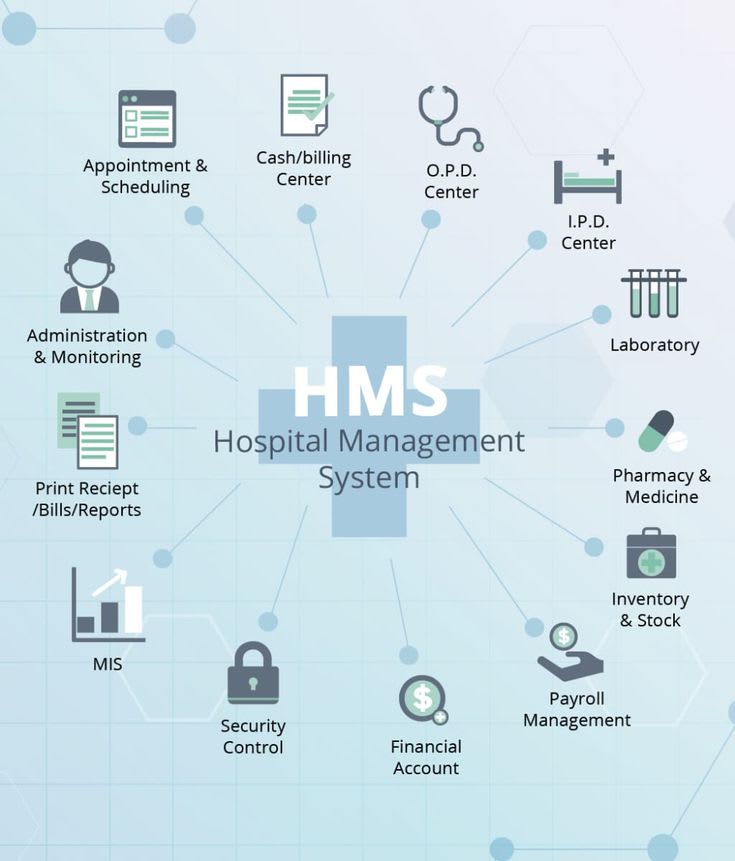
A Hospital Information System (HIS) is the digital backbone of modern healthcare facilities, integrating various functions to streamline operations and improve patient outcomes. In Dubai, where healthcare providers cater to a diverse population and a thriving medical tourism sector, HIS solutions are critical for managing complex workflows. These systems centralize data, reduce errors, and ensure compliance with strict regulations like the UAE’s Personal Data Protection Law (PDPL). By automating tasks such as scheduling, billing, and clinical documentation, HIS empowers hospitals to focus on what matters most: patient care. Understanding the components and benefits of HIS is the first step for decision-makers looking to modernize their facilities.
Core Components of HIS:
Electronic Health Records (EHRs): Digital patient records for real-time access.
Computerized Physician Order Entry (CPOE): Streamlines medication and test orders.
Laboratory Information Systems (LIS): Manages lab results and diagnostics.
Billing and Revenue Cycle Management: Automates financial processes.
Telehealth Integration: Supports virtual consultations, critical in Dubai’s medical tourism hub.
Key Benefits:
Reduces administrative errors by up to 30%.
Enhances patient care with real-time data access.
Ensures compliance with Dubai Health Authority (DHA) standards.
Tip: When evaluating HIS, prioritize systems with intuitive interfaces to minimize staff training time.
Why Hospital Information Systems Are Critical for Dubai’s Healthcare in 2025
Dubai’s healthcare sector is a global leader, driven by the emirate’s vision to become a smart city by 2030. Hospital Information Systems are pivotal in achieving this goal, aligning with the Dubai Health Authority’s (DHA) digital transformation strategy launched in 2014. With medical tourism contributing over AED 12 billion annually and a diverse population of over 200 nationalities, hospitals face unique challenges that HIS solutions address. From ensuring compliance with PDPL (with fines up to AED 2 million for violations) to supporting the projected 65% of consultations moving to telehealth by 2025, HIS is non-negotiable for staying competitive. Real-world examples, like Dubai Health’s HASANA system, demonstrate how HIS unifies patient data for better outcomes.
Why HIS Matters in Dubai:
Supports medical tourism by providing multilingual interfaces and telehealth.
Ensures compliance with DHA and PDPL regulations.
Addresses high patient volumes with efficient data management.
Enhances disease outbreak detection, as seen in HASANA’s immunization records for 15.8 million individuals.
Case Study: HASANA’s unified platform reduced duplicate records by 25% across Dubai Health facilities, improving care coordination.
Fact: Dubai’s healthcare sector is expected to grow at a CAGR of 12.7% from 2023 to 2028, driven by digital solutions like HIS.
Health Information Management: The Backbone of Modern Hospitals
Health information management (HIM) is the engine powering Hospital Information Systems, ensuring that healthcare data is collected, stored, and analyzed effectively. In Dubai, where hospitals manage millions of patient interactions annually, HIM is critical for seamless operations and compliance. By leveraging technologies like AI-powered analytics and cloud-based EHRs, HIM enables hospitals to make data-driven decisions, reduce costs, and improve patient outcomes. The UAE’s Salama platform, for instance, consolidates patient data across facilities, allowing real-time access for clinicians. HIM also supports interoperability through standards like FHIR, ensuring that Dubai’s hospitals remain at the forefront of global healthcare innovation.
Key Functions of HIM:
Data Collection: Captures patient records, lab results, and billing information.
Storage: Uses secure, cloud-based systems for scalability.
Analysis: Employs AI to identify trends and optimize resources.
Compliance: Ensures adherence to PDPL and DHA regulations.
Example: Salama’s interoperability reduced patient data retrieval time by 40% in UAE hospitals.
Tip: Invest in HIM systems with FHIR compatibility to future-proof your hospital’s data infrastructure.
Top Hospital Information Systems in Dubai for 2025
Choosing the right Hospital Information System is a critical decision for Dubai’s healthcare providers. With a range of solutions available, each offers unique features tailored to different hospital sizes and needs. Below is a comparison of the top HIS solutions for 2025, evaluated for scalability, DHA compliance, and innovative features like telehealth integration. These systems are designed to handle Dubai’s unique challenges, such as multilingual support for a diverse population and robust security to meet PDPL standards.
HIS Solution
Best For
Key Features
Estimated Cost
DHA Compliance
Epic Systems
Large hospitals
AI-powered EHR, analytics
$500,000+
Yes
Cerner (Oracle)
Global networks
Unified records, revenue cycle
$300,000–$500,000
Yes
Meditech
Mid-sized hospitals
Cloud-hosted, user-friendly
$100,000–$300,000
Yes
Insta HIMS
Small facilities
Modular, affordable
$50,000–$150,000
Yes
Azalea Health
Rural hospitals
Telehealth, billing integration
$50,000–$200,000
Yes
Epic Systems: Ideal for large networks like Dubai Health, offering advanced analytics and seamless EHR integration.
Cerner (Oracle Cerner): Trusted by global leaders, with robust revenue cycle management for high-volume hospitals.
Meditech: Cost-effective for mid-sized facilities, with intuitive interfaces to reduce training time.
Insta HIMS: Budget-friendly, modular design for smaller clinics, popular in emerging markets.
Azalea Health: Cloud-based solution with telehealth, perfect for rural or small hospitals.
Fact: 80% of Dubai’s top hospitals use cloud-based HIS for scalability and cost efficiency.
Emerging Trends in Hospital Information Systems for 2025
The future of Hospital Information Systems in Dubai is shaped by groundbreaking technologies that enhance efficiency and patient care. As Dubai aims to lead in smart healthcare, HIS solutions are integrating innovations like AI, telehealth, and blockchain to meet evolving demands. These trends align with the UAE’s vision for a tech-driven healthcare ecosystem, catering to a projected 65% telehealth adoption rate and a growing medical tourism sector. From AI diagnostics to VR pain management, these advancements are redefining how hospitals operate in 2025.
Top Trends:
AI-powered Analytics: Predicts patient outcomes and optimizes resource allocation.
Telemedicine Integration: Supports virtual consultations, as seen in Fakeeh University Hospital’s platform.
IoT and Wearables: Enables real-time monitoring, e.g., Huawei’s blood pressure study.
Virtual Reality (VR): Used for pain management in Dubai Health’s Thalassemia Center.
Blockchain: Ensures secure patient data exchange, compliant with PDPL.
Example: Fakeeh University Hospital’s AI-driven telehealth platform reduced consultation times by 15%.
Challenges and Solutions in Implementing HIS in Dubai
Implementing a Hospital Information System in Dubai comes with challenges, but strategic solutions can ensure success. High costs, data privacy concerns, and staff training needs are common hurdles, particularly in a diverse and fast-paced healthcare market like Dubai. By adopting cloud-based systems, robust cybersecurity, and comprehensive training programs, hospitals can overcome these barriers and maximize the benefits of HIS.
Challenges:
High Costs: Implementation can range from $50,000 to $500,000.
Data Privacy: PDPL compliance requires stringent security measures.
Staff Resistance: Lack of training can hinder adoption.
Solutions:
Cloud-based HIS: Reduces upfront costs and improves scalability.
Cybersecurity: Use encryption and blockchain for data protection.
Training Programs: Offer ongoing sessions to ensure staff proficiency.
Tip: Partner with vendors offering 24/7 support to address implementation challenges.
Patient Information Management System: Enhancing Care Delivery
The patient information management system (PIMS) is a critical component of HIS, focusing on secure storage, access, and sharing of patient data. In Dubai, where patient experience is paramount, PIMS enhances care coordination and engagement. Platforms like NPHIES, inspired by Saudi Arabia’s success, enable real-time data exchange, reducing wait times and duplicate records. Patient portals within PIMS empower individuals to schedule appointments, view test results, and access telehealth services, aligning with Dubai’s patient-centric healthcare model.
Benefits of PIMS:
Real-time access to medical histories for clinicians.
Reduced duplicate records, saving 20% in administrative costs.
Enhanced patient engagement through portals and telehealth.
Example: NPHIES reduced patient wait times by 20% in pilot hospitals.
Fact: 70% of Dubai patients prefer hospitals with online portals for appointment scheduling.
How to Choose the Right HIS for Your Dubai Hospital
Selecting the right Hospital Information System requires careful consideration of your hospital’s size, budget, and goals. With Dubai’s diverse population and strict regulatory environment, decision-makers must prioritize DHA compliance, scalability, and user-friendly features. A structured approach to evaluation can ensure your HIS aligns with both current needs and future growth.
Steps to Choose an HIS:
Assess Needs: Evaluate hospital size, patient volume, and IT infrastructure.
Ensure Compliance: Verify DHA and PDPL compatibility.
Compare Features: Look for telehealth, multilingual support, and analytics.
Budget Analysis: Balance upfront costs ($50,000–$500,000) with long-term savings.
Vendor Support: Choose providers with robust training and 24/7 support.
Final Thought The Future of Healthcare in Dubai with HIS
Dubai’s healthcare sector is poised for exponential growth, and Hospital Information Systems are at the heart of this transformation. By streamlining operations, enhancing health information management, and leveraging patient information management systems, HIS solutions empower hospitals to deliver world-class care. As AI, telehealth, and blockchain continue to shape the industry, now is the time for healthcare leaders to invest in HIS to stay competitive. Contact a healthcare IT consultant today for a free HIS assessment and take the first step toward a smarter, patient-centric future.
link