


Ask any casual user about their preferred operating system for everyday tasks, and you’ll typically hear them mention Windows or macOS. These days, Linux has been gaining prominence as well, so you might even hear Ubuntu, Fedora, or other distros crop up in the conversation every now and then. Once you step into the server side of things, you’ll start seeing Linux distributions and virtualization platforms a lot more often.
While it may appear that Windows, macOS, and Linux are the only options for modern PCs, the vast recesses of the computing sector house certain operating systems that aren’t part of either family. As someone who spends his free time tinkering with the most obscure operating systems, here are my favorite obscure distributions that are not only fully functional, but can also stand their ground against the big three OS clans.

Related
A Unix distro for server enthusiasts
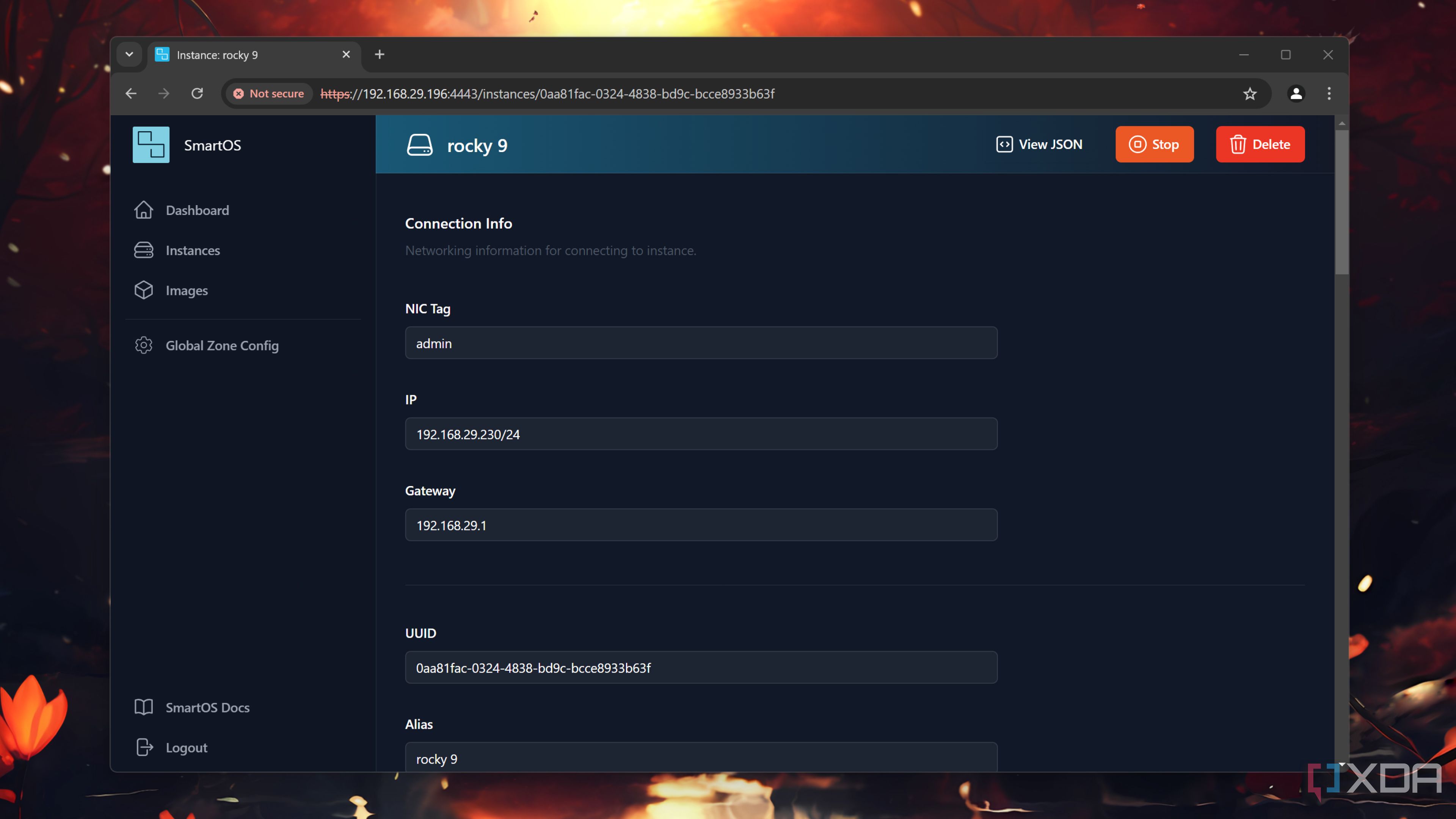
Although I consider myself a Proxmox user first and foremost, I’ve come across some neat distributions designed for home servers. SmartOS is one such distro, but unlike Proxmox, Harvester, and other big-name virtualization platforms, it’s based on Illumos, an open-source Unix operating system. For containerization, SmartOS relies on Solaris Zones, which are similar to Linux Containers (LXCs) and Solaris Jails you’ll find in rival distros. On the virtualization front, SmartOS features the Bhyve hypervisor alongside all the networking and storage options you could ever want from a server distribution. It’s also compatible with KVM, making it a solid option for performance users.
Despite its Unix roots, SmartOS is surprisingly easy to set up – especially when compared to its Illumos sibling, OmniOS. The CLI still requires some familiarity with OpenSolaris commands, though SmartOS can be armed with a neat web interface. If you’re looking for a home server OS that ties in with the Solaris and Unix landscapes, SmartOS is definitely worth checking out.

Related
I tried building a home lab using Illumos distros – here’s how that went
Who says you can only use Proxmox for your home server?
The ultimate OS for potato PCs
Even if you decide to arm it with a resource-draining desktop environment, the average Linux distribution is terrific for revitalizing old PCs. For extremely low-power systems, you’ve got DietPi, Alpine, Puppy Linux, Tiny Core Linux, and a couple of barebones distributions at your disposal. However, KolibriOS knocks its Linux rivals out of the park with its ultra-low resource consumption. For starters, it requires a mere 12 MB of memory, which is several orders of magnitude lower than the minimum RAM requirements on CLI Linux distributions.
On the storage front, KolibriOS is unbelievably tiny. And I don’t just mean a few hundred megabytes either – this neat OS can fit inside a mere 1.44 MB floppy disk. Plus, it’s written in assembly language, so you don’t have to worry about slowdowns even on machines older than two decades. While its ultra-lightweight nature makes it impossible to replace Windows or even Linux with KolibriOS, the operating system houses quite a few everyday apps, including a web browser.
And a shout-out to XigmaNAS
TrueNAS Scale is one of the most popular distros in the NAS ecosystem, but its older sibling is nothing to scoff at, either. Based on FreeBSD, TrueNAS Core used to be iXsystems’ main consumer-oriented NAS OS for years, before the company moved over to greener Linux pastures with Scale. Despite ending up as an afterthought, TrueNAS Core is still a robust OS for storage servers.
The ZFS file system is terrific for NAS operations, and you get plenty of network sharing options on Core. It’s not as fast on the virtualization front as its successor, but you do get support for jails and Bhyve virtual machines. TrueNAS Core is also more stable than its Linux counterpart, making it better for data hoarders who require a reliable distribution for their file transfer, backup, and storage tasks.
I’ve also experimented with the FreeBSD-powered XigmaNAS in the past, and while it’s a decent alternative to TrueNAS Core if you need a minimalistic UI to manage ZFS pools, its reliance on phpVirtualBox makes it rather clunky for virtualization-heavy workloads.
It’s surprisingly great for reviving old PCs
When I first encountered GhostBSD, I was equally amazed and terrified at the prospect of tinkering with a FreeBSD distribution. After all, FreeBSD is a lot different from the Linux distributions I’m familiar with, and I’d already braced myself to run into a boatload of compatibility issues. However, my opinions on the distro did a 180 once I started using it as a daily driver.
Not only is GhostBSD’s UI buttery-smooth on my outdated PC, but it’s also compatible with a ton of FOSS applications I use for my everyday projects. I even managed to install fully-functional drivers for my Nvidia GPU without too much struggle, while the BVCP utility made deploying Bhyve VMs a cinch. The only caveat is that Steam and certain note-taking tools aren’t compatible with GhostBSD. But if you love tinkering with quirky operating systems as much as I do, you won’t be disappointed with GhostBSD.
The OS ecosystem is a vast and interesting place

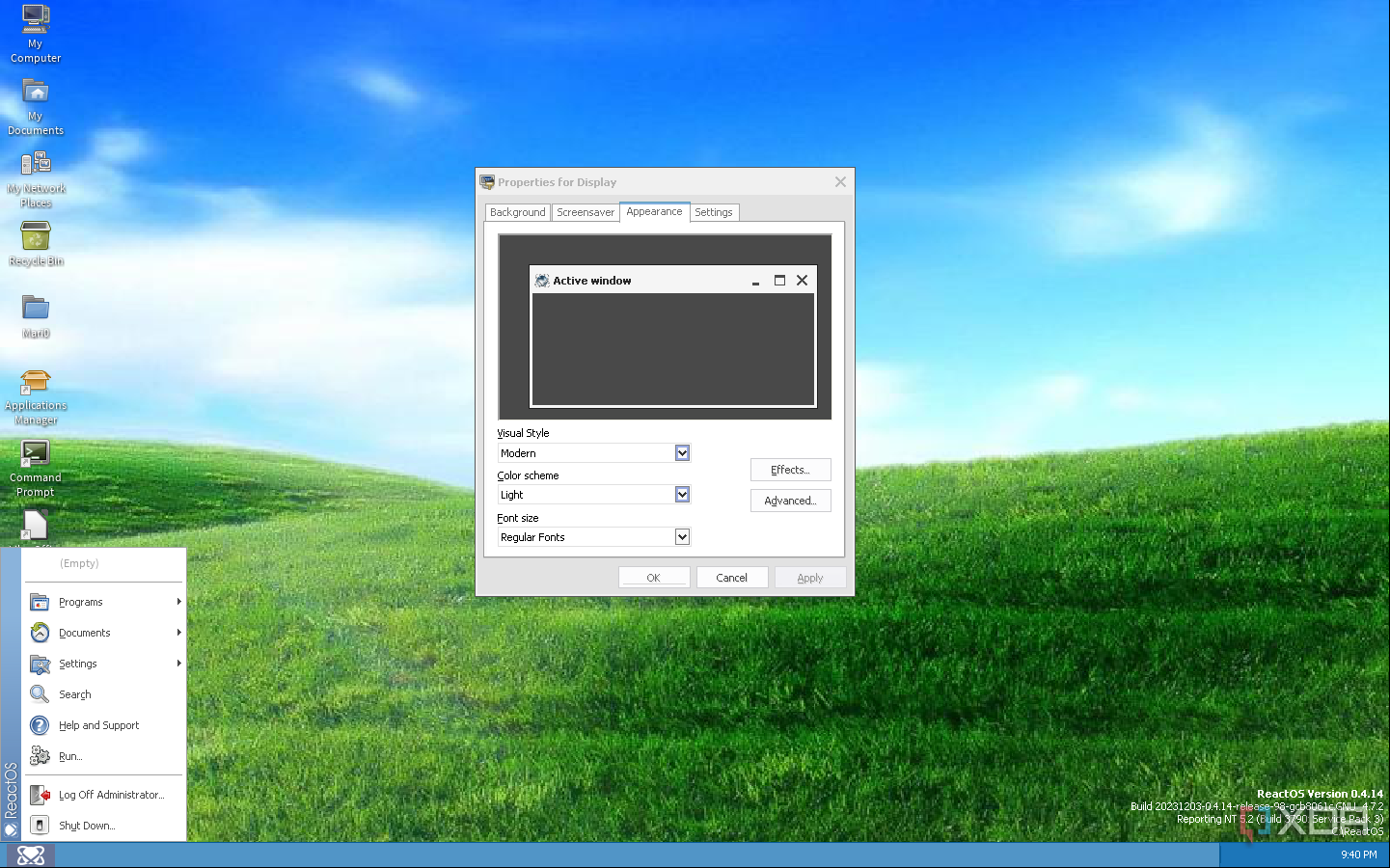
Still looking for cool distributions that don’t owe their allegiance to the big three OS families? I’ve got a couple more recommendations. OpenIndiana is the closest Solaris counterpart to GhostBSD, while Haiku OS can give you a shot of nostalgia with its retro UI. ReactOS is also a fun operating system if you want to use Windows applications without dealing with the performance-draining features and privacy-intrusive background services of Microsoft’s flagship OS.
link